Why Valley Roofs Age Faster Than the Warranty Suggests
A shingle rated for thirty years is rated under test conditions. A July afternoon in Canoga Park is not test conditions.
One of the more uncomfortable conversations in this trade goes like this. A homeowner has a roof that came with a long warranty. It is noticeably tired well before that period is up. They want to know who is at fault. Often the honest answer is: nobody lied to you, but your attic has been cooking the roof from underneath.
What the rating actually means
Shingle lifespan figures come from standardized testing. They describe the product, not your house. Real world life depends on installation quality, slope, orientation, the local climate and, more than most people expect, what is happening in the space below the deck.
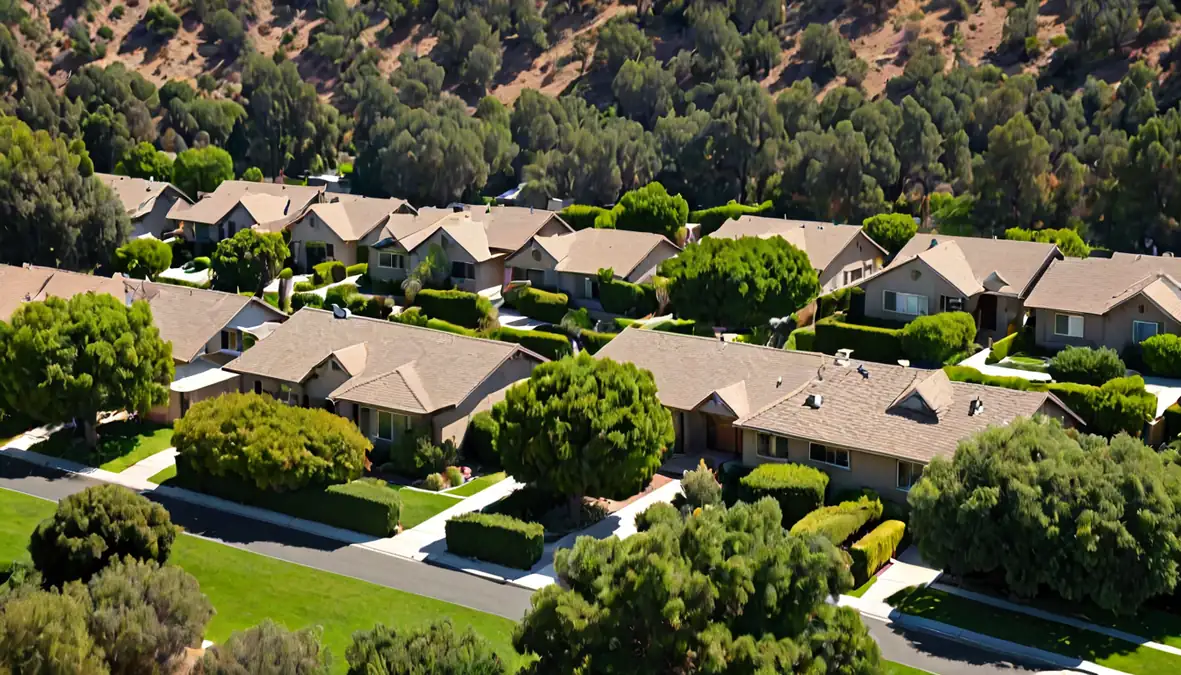
The Valley is hard on roofing. Long stretches above 100 degrees, intense UV, and a large daily temperature swing that makes materials expand and contract every single day. That cycling is genuinely destructive over years.
The attic is the hidden variable
On a hot afternoon, a poorly ventilated attic can reach temperatures far above the outside air. The roof deck sits directly above that. So the shingles are being heated from above by the sun and from below by trapped air.
What follows is predictable:
- Asphalt dries out. Shingles rely on oils staying in the asphalt to remain flexible. Sustained heat drives them off, and a brittle shingle cracks and curls.
- Granules let go. Those granules are the sun shield. Once they thin, UV reaches the asphalt directly and decline accelerates.
- The deck moves. Repeated heat cycling works on the plywood and on every nail holding the roof down.
- Your cooling bill climbs. A superheated attic pushes heat into the rooms below all evening.
Ventilation, in one idea
Proper roof ventilation is simply air moving. Cooler air enters low, at the eaves, through soffit vents. It warms, rises, and leaves high, at the ridge. Continuous, passive, no moving parts.
For that to work, both halves must exist and be roughly balanced. This is where most underperforming roofs fail. A common pattern is a decent ridge vent with soffit vents that are painted shut, blocked by insulation, or never adequate. Exhaust with no intake does very little.
Signs your attic is not breathing
- Upstairs rooms that stay hot long after sunset
- An attic that is stifling rather than merely warm
- Shingles curling at the edges, often worst on the sun facing slope
- Rusted nail heads or damp staining on the underside of the deck
- An air conditioner that never seems to catch up in the afternoon
Why we raise it before quoting a re-roof
If we replace a roof and leave the ventilation as it was, we have installed a new roof into the same conditions that shortened the last one. Assessing ventilation is part of a proper roof evaluation, not an upsell tacked on at the end.
Ventilation work is also, relative to the roof itself, inexpensive. It is frequently the best value item on a roofing estimate.
There is a useful interaction with the newer energy requirements too. A reflective, cool rated surface reduces the heat reaching the deck in the first place, and good ventilation removes what still gets through. We covered the rule change in the new cool roof standards.
Homes across Canoga Park, Reseda, Van Nuys and Woodland Hills deal with this every summer. If your upstairs is unbearable by August, talk to us. The answer is not always a new roof.
Ready for a Roof You Can Trust?
Get a free, no-obligation inspection and quote from Los Angeles' Owens Corning Preferred roofing team.