Lancaster Is Not Sherman Oaks: How Climate Changes the Roof You Need
We install the same quality of roof in Lancaster as in Sherman Oaks. We do not always install the same roof, because the weather is not the same weather.
Our service area is larger than people assume, and the far ends of it are genuinely different places to put a roof. Around fifty miles separates Studio City from Lancaster. In roofing terms they are distinct environments.
The San Fernando Valley: heat and sun, day after day
The Valley floor is hot, dry and very bright. The dominant stress on a roof here is sustained heat and UV exposure over long summers.
The failure pattern is gradual rather than dramatic. Asphalt loses its oils, shingles stiffen and curl, granules thin, and the whole surface tires. Add a poorly ventilated attic and it happens noticeably sooner, which is why we keep going on about ventilation.
The other Valley factor is wind through the canyons, which we covered in what the Santa Anas actually do.
The Antelope Valley: swing, wind and open sky
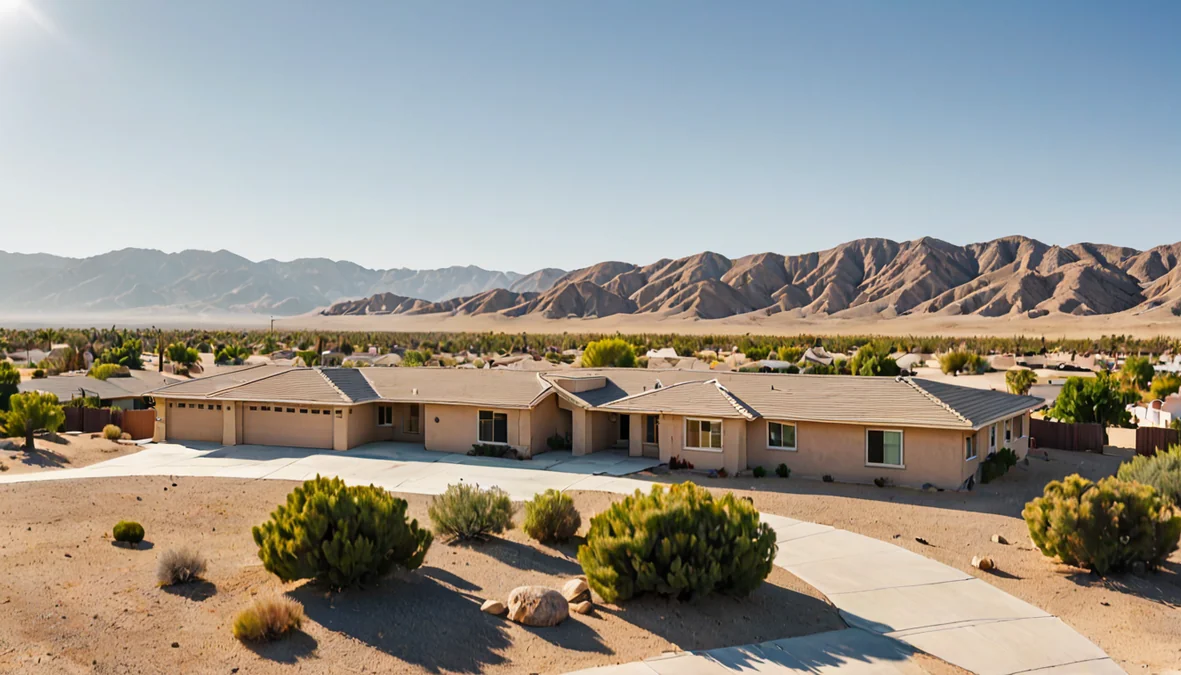
Palmdale and Lancaster sit high desert. Hot summers, genuinely cold winter nights, and a daily temperature swing that can be large in both seasons.
That swing is the defining stress. Every material on the roof expands and contracts with it, every day. Over years that cycling works on seams, fasteners and anywhere two materials meet. It is slow, patient, mechanical fatigue rather than the simple bake of the Valley floor.
Add to that:
- Wind across open ground. Fewer hills and less dense housing means less shelter. Edges and ridges take sustained load.
- UV at elevation with thin, clear air and very little cloud.
- Occasional hail. Not common, but it happens, and impact rated products are a more serious conversation up there.
- Blown grit. Fine sand carried by wind is quietly abrasive on a roof surface.
Santa Clarita, in between
Santa Clarita and Canyon Country sit between the two, and behave like it: hot summers, cooler nights than the Valley floor, and real wind exposure. Plenty of this area also sits near fire hazard zones, which adds its own requirements.
What we specify differently
The quality does not change. The specification sometimes does:
- Wind rating and fastening. More exposure means more attention to edges, fastening pattern and sealing.
- Impact resistance. Worth a serious look in the high desert, occasionally worth it elsewhere.
- Ventilation strategy. Large swings and sustained heat are different problems and the intake and exhaust balance reflects that.
- Color and reflectance. Climate zones differ across our area, so the energy requirements differ too.
- Flashing detail. Where thermal movement is greater, the junctions need more care, because that is where fatigue shows first.
Why this matters when comparing quotes
If you are in the Antelope Valley and a contractor is quoting exactly what they would put on a house in Encino, they may not be thinking about your conditions. It is not necessarily wrong. It is worth a question.
Ask what in the specification reflects where you live. The answer tells you how well they know the area.
We work across the whole region and we would rather explain the reasoning than hand over a number. See our full service area, or ask for a quote and we will tell you what your particular patch of sky does to a roof.
Ready for a Roof You Can Trust?
Get a free, no-obligation inspection and quote from Los Angeles' Owens Corning Preferred roofing team.