
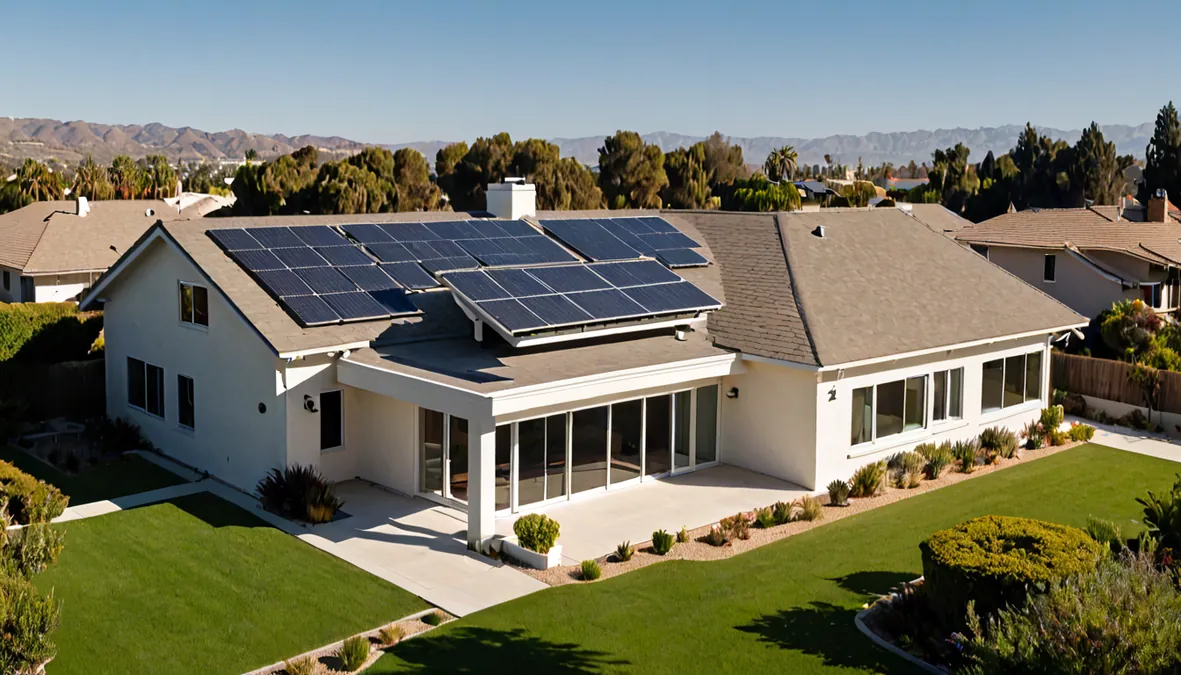
Solar Panels and a Tired Roof: Get the Order Right
Putting panels on a roof that has five years left means paying to take them off and put them back. The order of these two jobs is worth real money.
Solar makes obvious sense here. We have the sun and we have the electricity prices. But we keep meeting homeowners in an avoidable and expensive situation: a good solar array bolted to a roof that is nearly finished.
The arithmetic
A solar array is typically designed to run for decades. An asphalt shingle roof in this climate has a shorter working life than that, and heat does not help.
So if you install panels onto a roof with, say, six years left, you have built in a job. When the roof needs replacing, the array has to come off and go back on. That is a specialist task with its own labour cost, and it is pure overhead. Nothing about your house is better afterwards.
Worse, it is a cost that arrives at the same moment as a roof replacement, which is not when anyone wants an extra bill.
The rule of thumb
If your roof will not comfortably outlast the solar payback period, do the roof first.
In practice, if the roof has less than about ten years of honest life left, replace it before the panels go on. If it is genuinely newer and in good condition, proceed with solar and you will likely get the two lifecycles to line up better next time.
The uncomfortable middle is a roof around eight to twelve years old. That is where an inspection earns its money, because the answer depends on the specific roof rather than on the number.
What panels do to a roof
Not much, if the job is done properly. Mounting hardware penetrates the roof covering, and each penetration is a place water could enter if it is flashed badly. Good installers flash correctly. It is worth confirming who is responsible for those details, and what happens if one leaks.
There is one genuine benefit: the covered area is shaded from direct UV, and shingles under panels often age more slowly than their neighbors.
The complication is access. Repairing a roof under an array is harder and costlier than repairing open roof. A small, cheap repair can become an awkward one.
A note on warranties
Ask both contractors how the other party's work affects their warranty. Roofing warranties can be affected by penetrations made by third parties, and solar warranties have their own conditions. Get the answers before either job starts, not after a leak, when the two companies are pointing at each other.
Sequencing it well
If both jobs are happening, doing them close together and in the right order is much smoother:
- Roof first, solar after. Always this way round.
- Tell your roofer solar is coming. It can influence layout and where we place vents, so the array is not fighting the ventilation.
- Keep documentation of the new roof. Solar installers will want it, and so may your insurer.
There is a compliance angle too. A re-roof may bring the newer energy requirements into play, which we covered in the cool roof changes. Easier to handle at re-roof time than to unpick later.
If you are weighing up solar and are unsure whether your roof is ready, ask us to look. If your roof has years left we will tell you that, and you can get on with the panels.
Ready for a Roof You Can Trust?
Get a free, no-obligation inspection and quote from Los Angeles' Owens Corning Preferred roofing team.